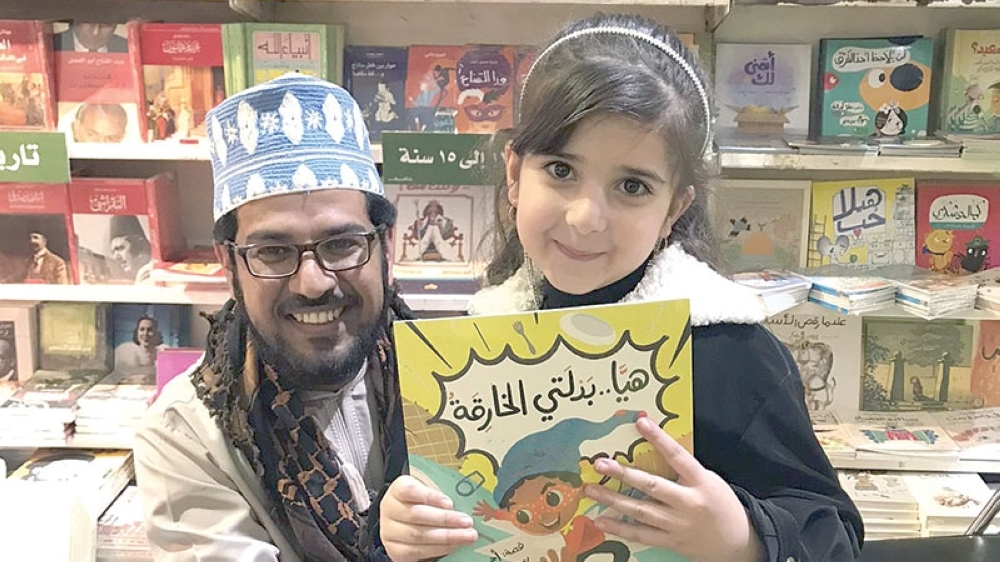


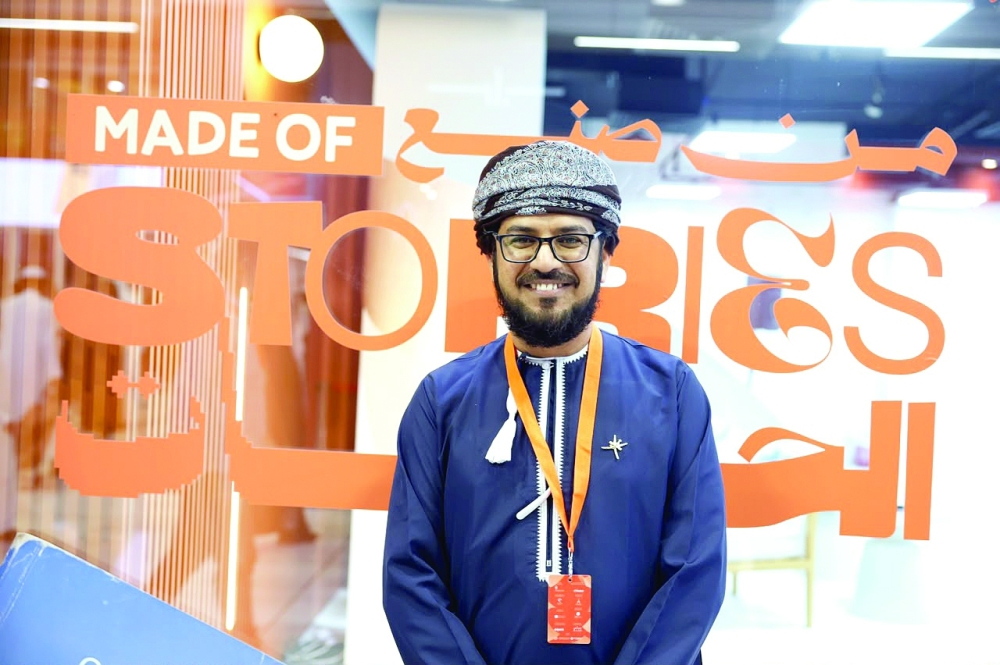
For Omani children’s author and storyteller Ahmed al Rashdi, storytelling was never a foreign concept, but a tradition carried through generations.
Growing up in a village in Samayil in the 1980s, without electricity, Al Rashdi fondly recalls gathering with other children around his late grandmother, Mutairah, to hear her stories.
His grandmother, whom he says lived to 120, shared tales inherited from her ancestors about mountains, farms and animals. According to Al Rashdi, these stories always carried a message.
After becoming a father, Al Rashdi carried this tradition into his own home and later into his community.
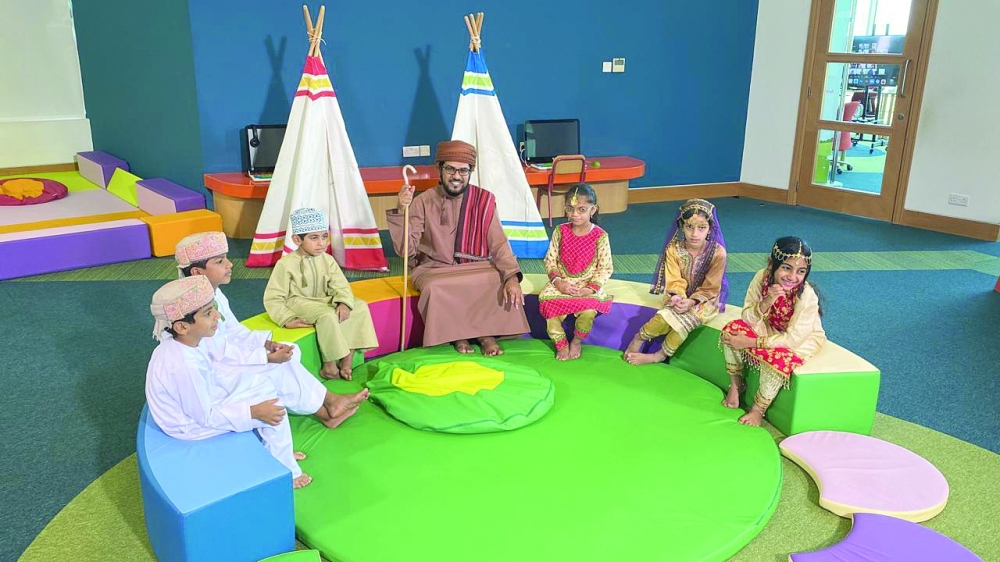
Al Rashdi, who works as Supervisor of Children’s Activities in the Cultural Activities Department of the Ministry of Culture, Sports and Youth, started The Reading Village in Wadi Qurai, Samayil, in 2011.
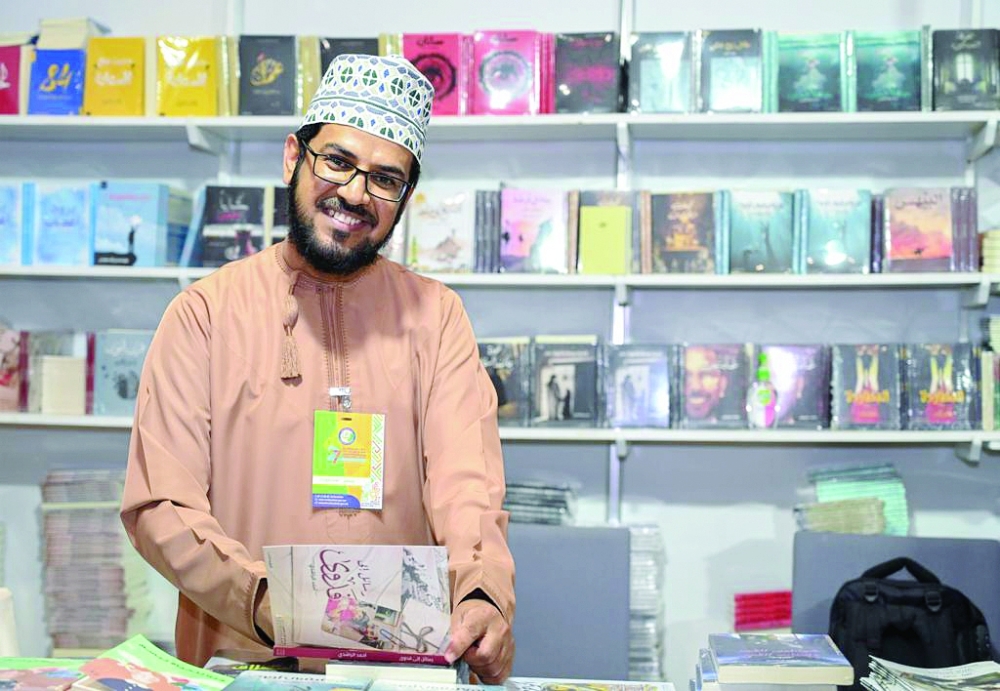
“I had noticed that children in Grades 4 and 5 were struggling to read. I thought back to when I was in Grade 2 and was already reading quite well”, he said.
“My wife and I set up a little book corner at home. We bought books for the children to borrow. We also gave children who showed talent the chance to appear on the radio. That encouraged parents, and they wanted their own children to take part too”.
His approach to storytelling changed during a visit to Morocco in 2016, when he watched a university student telling stories to children.
“I thought, ‘Why don’t I do that?’ I had only been reading stories to children from books. I decided to close the book, learn stories by heart and tell them myself. I saw how the children’s eyes lit up. It reminded me of my grandmother telling us stories”, he recalled.
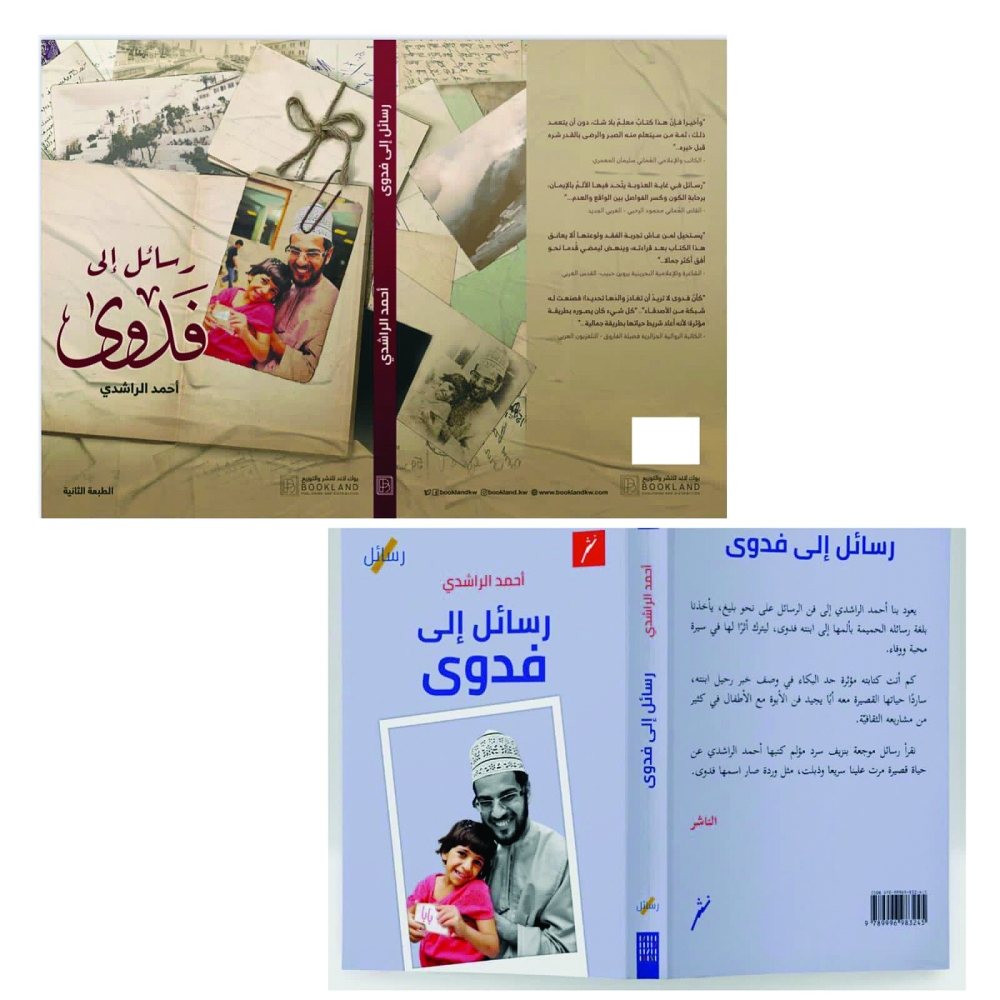
Al Rashdi also turned to publishing. His first book, Letters to Fadwa, is a collection of letters he wrote to his daughter after she died in an accident at seven.
“Writing the book helped me because I studied Arabic literature and had read a lot of biographies, poetry, novels and other books. That reading gave me strength”, he said.
Over several years, he wrote to Fadwa about her mother and sister, places he visited and films that made him cry.
“I told her everything”, he said.
He published the letters with encouragement from his friends.
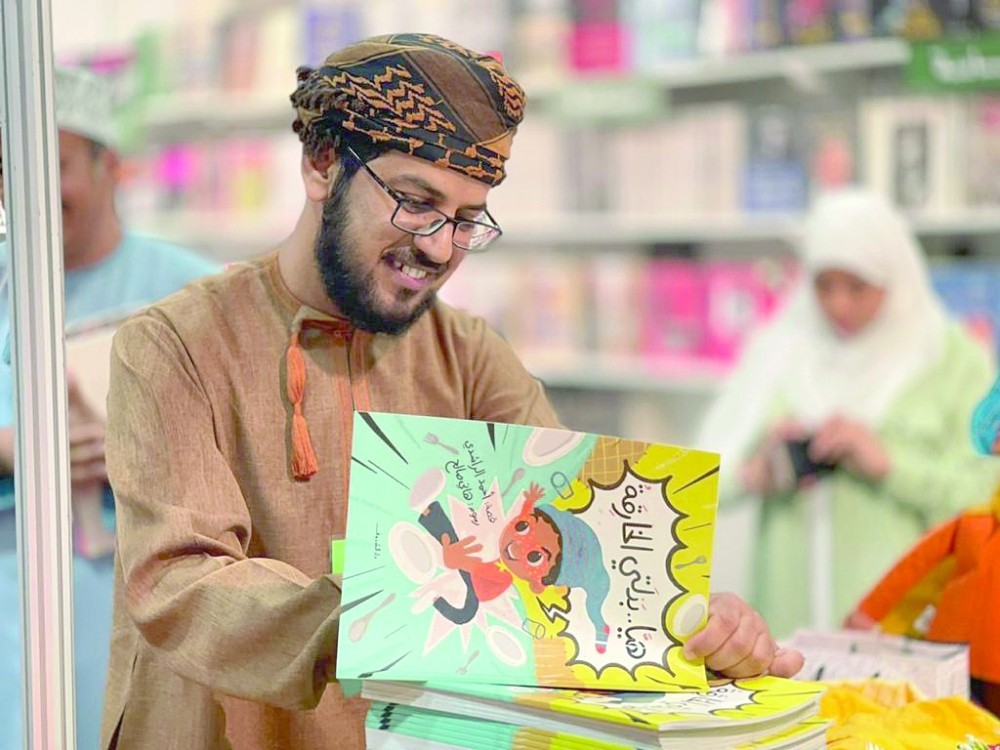
In 2022, Al Rashdi published his first children’s book, The Super Suit, through Dar Al Shorouk, following a creative writing course with Syrian author Maria Dadouch.
Inspired by the idea that volunteering begins at home, he created a character named after his son, Azd, who makes a costume and waits for opportunities to help others.
“I wondered: if a child doesn’t help at home, how will that child volunteer outside the home?” he said.
The character soon stepped off the page.
“I also asked a fashion designer to make a costume like the one in the book. Azd would come out with me wearing it and say, ‘I’m Azd. I help people’. The children loved the idea”, he recalled.
His second children’s book, Don’t Bray, Donkey!, brought Al Rashdi back to his grandmother’s stories.
Publisher Maryam al Qamshoui selected five Omani folktales for five writers to adapt for children. Al Rashdi was assigned one his grandmother used to tell him.
“She was exceptionally good at telling this particular story, and she would narrate it with such creativity and flair”, he said.
Some young readers bought his book to take home to their grandmothers, he added.
“They found something they could connect with, something beautiful from their own cultural heritage”.
His latest book, A Ticket to Oman, grew from what he saw as a shortage of Arabic children’s books about Oman’s history and heritage.
Drawing on the Omani Encyclopaedia, he gave objects their own voices, allowing a ship and a printing press to narrate their histories.
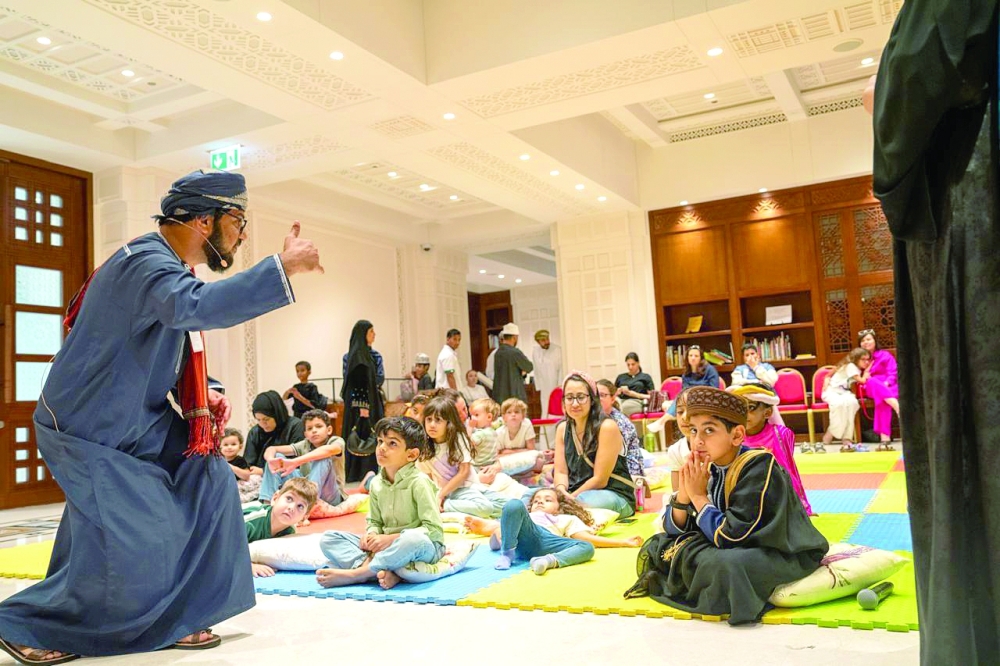
Alongside writing, Al Rashdi developed his performance skills. At the Royal Opera House Muscat’s music library, he introduces children to operas through simplified storytelling.
His son now joins him on stage. To encourage the initially shy Azd, Al Rashdi deliberately made a mistake while telling a story, inviting his son to correct him and tell it himself.
“Gradually, he started joining me each time. I began giving him a share of the payment”, he said.
Years ago, Al Rashdi sat listening to his grandmother’s stories. Today, his son stands beside him, telling stories himself and carrying the family tradition into another generation.
Readers can follow the author on Instagram at @azd2020.
Oman Observer is now on the WhatsApp channel. Click here